


Selling your car can be a great way to put money toward your next vehicle, reduce your monthly expenses, or simply get cash for something you no longer need. However, the amount you receive depends on more than just your vehicle's make, model, and mileage.
Where you sell it, how you prepare it, and how well you negotiate can all affect the final price.
If you're thinking about selling your car in Ontario in 2026, you have several options. You can sell privately through an online marketplace, accept an offer from a dealership, or trade your vehicle in when purchasing another one. Each approach has different advantages, depending on how quickly you want to sell and how much work you're willing to do.
In this guide, we'll explain how to get the most money from selling your car, how to prepare it for potential buyers, and what you need to know before completing a sale in Ontario.
Key Takeaways
- Private sales can bring in more money: Selling directly to another buyer may result in a higher sale price, but it requires more time and effort.
- Compare multiple offers: Get estimates from dealerships and private-sale valuation tools before accepting an offer.
- Presentation matters: Cleaning your vehicle, organizing maintenance records, and taking quality photos can make it more appealing to buyers.
- Be realistic about your asking price: Research comparable vehicles and leave some room for negotiation.
- Understand Ontario's selling requirements: Private sellers must provide a Used Vehicle Information Package (UVIP), complete the ownership transfer paperwork, and address any outstanding liens.
How to Sell Your Car and Get the Best Price
Before listing your vehicle or contacting dealerships, decide how you want to sell it. There are three main options, and the best one depends on your priorities.
Option 1: Sell Your Car Privately Online
Selling your car privately is often the best option if your main goal is getting the highest possible sale price.
Platforms like Facebook Marketplace and Kijiji allow you to advertise directly to potential buyers without involving a dealership. Since you're dealing with the end customer, you may be able to get more than a dealership's trade-in offer.
However, private sales require more work.
You'll need to:
- Clean and prepare the vehicle.
- Take clear, high-quality photos.
- Research comparable listings and set an asking price.
- Respond to messages and arrange appointments.
- Coordinate test drives with potential buyers.
- Handle negotiations and complete the required paperwork.
You should also be prepared for low offers, buyers who stop responding, and people who arrange appointments but never show up.
Another consideration is timing. Depending on your vehicle's condition, price, and demand, it could take days or several weeks to find the right buyer.
Is selling privately worth it?
If you have a desirable vehicle in good condition and aren't in a rush, selling privately may help you get the most money. Just remember that a higher asking price doesn't always translate into a higher final sale price.
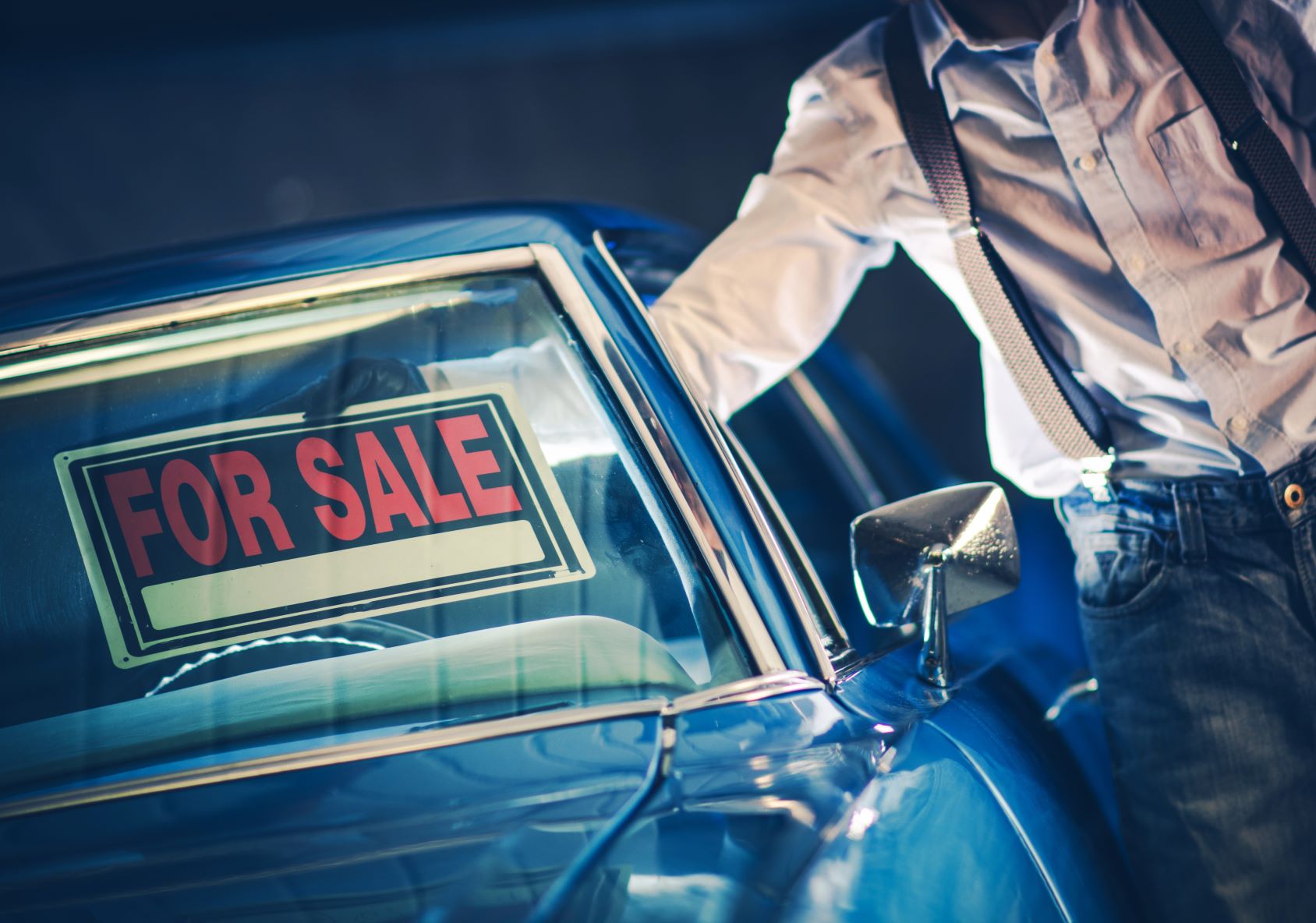
Option 2: Sell Your Car to a Dealership
Selling directly to a dealership is usually much faster and more convenient than arranging a private sale.
Many dealerships purchase vehicles from individuals, even when the seller isn't buying another vehicle from them. You can contact several dealerships, provide your vehicle's information, and request an appraisal.
The main disadvantage is that a dealership will generally offer less than what you might receive from a private buyer.
Dealerships need to account for reconditioning, advertising, administrative costs, potential repairs, and the possibility of holding the vehicle before it sells. They also need to make a profit when they resell it.
However, selling to a dealership can make sense if:
- You need to sell your vehicle quickly.
- You don't want to deal with private buyers.
- Your vehicle needs repairs or reconditioning.
- You want a straightforward transaction.
- You don't have the time to manage a private sale.
Don't automatically accept the first offer. Contact multiple dealerships and compare their appraisals. Even a few hundred dollars can make a difference.
Option 3: Trade Your Car In When Buying Another Vehicle
If you're planning to upgrade, trading in your current vehicle can be one of the easiest ways to complete the transaction.
Instead of selling your car separately, the dealership applies its trade-in offer toward the vehicle you're purchasing.
For example, if a dealership offers you $12,000 for your current vehicle and you're purchasing a car for $28,000, the trade-in can reduce the amount you need to finance.
The trade-in value may be lower than what you could receive privately, but there are advantages:
- You don't have to advertise or arrange private test drives.
- You can complete both transactions at the same dealership.
- You may avoid the inconvenience of owning and insuring two vehicles during the transition.
- You can use any positive equity toward your next purchase.
Before accepting a trade-in offer, research your vehicle's value independently. You can use the Car Loans Canada trade-in estimate tool to get a better idea of what your vehicle may be worth.
It's also worth understanding the difference between dealer and private vehicle financing if you're planning to finance your next car.
8 Tips to Get the Most Money When Selling Your Car
Choosing the right selling method is only part of the process. The following steps can help you improve your vehicle's appeal, attract serious buyers, and negotiate a better price.
1. Research Your Vehicle's Current Market Value
Before listing your vehicle, find out what it's actually worth.
One of the biggest mistakes sellers make is setting their asking price based on what they originally paid or how much money they've invested in the vehicle. Unfortunately, buyers are more interested in what similar vehicles are selling for today.
Start by researching vehicles with comparable:
- Make and model
- Model year and trim level
- Mileage
- Mechanical and cosmetic condition
- Accident history
- Features and optional equipment
Look at listings on Facebook Marketplace, AutoTrader, and other automotive marketplaces. Pay attention to the asking prices of vehicles that closely resemble yours.
You can also use Canadian Black Book to research vehicle values. Its valuation information can help you understand the difference between wholesale and retail pricing.
Keep in mind that online estimates are starting points, not guaranteed offers. Your vehicle's actual condition, service history, location, and current demand will influence what someone is willing to pay.
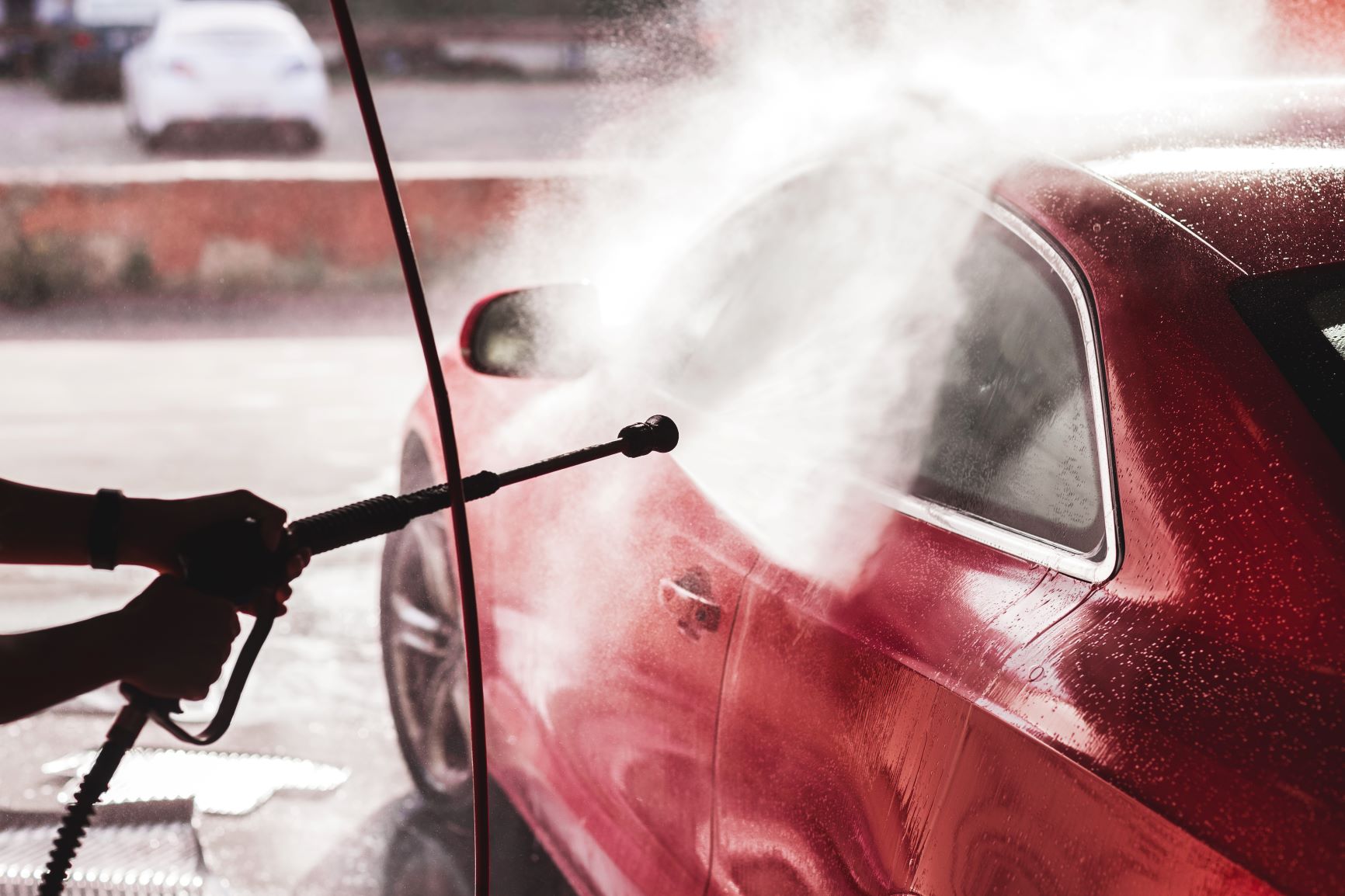
2. Get Your Vehicle Professionally Cleaned
First impressions matter, especially when you're selling privately.
A potential buyer is more likely to take your listing seriously if the vehicle looks clean and well-maintained. A dirty interior, stained seats, or unpleasant smells can make buyers wonder how well the vehicle was cared for.
Before taking photos or arranging appointments, consider getting your vehicle professionally detailed.
At a minimum, you should:
- Vacuum the carpets and seats.
- Clean the dashboard, centre console, and door panels.
- Wash the exterior and clean the wheels.
- Clean the windows inside and out.
- Remove personal belongings and garbage.
- Address unpleasant odours.
- Clean the trunk and storage compartments.
You don't necessarily need to spend hundreds of dollars on detailing. However, spending a little money to improve the vehicle's presentation could help you attract more buyers and avoid unnecessary negotiations over its condition.
3. Take High-Quality Photos and Write a Detailed Listing
If you're selling your car online, your listing is often the first interaction a potential buyer has with your vehicle.
Poor photos and limited information can make an otherwise desirable vehicle easy to overlook.
Take photos in good natural lighting and choose a clean location. Avoid photographing the vehicle in a crowded parking lot or somewhere that makes it difficult to see its condition.
Try to include:
- Front, rear, and side exterior views.
- Interior photos of the front and rear seats.
- Dashboard and instrument cluster.
- Odometer reading.
- Trunk or cargo area.
- Wheels and tires.
- Any noticeable scratches, dents, or damage.
Your description should include the year, make, model, trim, mileage, major features, maintenance history, and any known issues.
Be honest about the vehicle's condition. Hiding damage or mechanical problems can create disputes and make it harder to complete the sale.
4. Organize Your Maintenance and Service Records
A vehicle with a documented maintenance history can be more appealing to potential buyers than one with little information about its past.
If you've kept records of oil changes, brake replacements, tire purchases, or other repairs, organize them before listing your vehicle.
This helps demonstrate that you've taken care of the car and gives buyers more confidence in its condition.
If you don't have physical receipts, contact the shops where you had work completed. Some service centres may be able to provide copies of previous invoices.
You should also consider purchasing a vehicle history report through CARFAX Canada. This can help you review available accident, registration, and other vehicle history information.
A clean history report doesn't guarantee a vehicle is problem-free, but having documentation available can make the selling process easier.
5. Address Minor Repairs, But Don't Overspend
Small issues can make a vehicle look neglected, especially when you're competing against similar listings.
Before selling, consider addressing inexpensive problems such as:
- Burnt-out light bulbs.
- Worn windshield wipers.
- Minor interior damage.
- Low-cost cosmetic issues.
- Missing floor mats or small trim pieces.
- Warning lights that can be properly diagnosed and repaired.
However, don't assume every repair will increase your vehicle's value.
For example, spending $2,000 on cosmetic repairs doesn't necessarily mean you'll receive an additional $2,000 when you sell it.
Focus on repairs that improve the vehicle's condition or remove obvious reasons for a buyer to negotiate the price down.
For major mechanical problems, get an estimate before deciding whether to repair the vehicle or sell it as-is with full disclosure.
6. Be Realistic About Your Asking Price
Once you've researched the market and prepared your vehicle, it's time to set an asking price.
A common strategy is to list the vehicle slightly above the minimum amount you're willing to accept. This gives you some flexibility when buyers negotiate.
However, don't price it significantly higher than comparable vehicles just because you want room to negotiate.
Buyers can easily compare listings online. If your vehicle is overpriced, they may never contact you.
For example, if similar vehicles are listed between $14,000 and $16,000, listing yours at $19,000 may make it difficult to attract serious interest unless there is a clear reason for the difference.
Consider the following when setting your price:
- Current market demand.
- Mileage compared with similar listings.
- Overall condition.
- Accident and ownership history.
- Maintenance records.
- Remaining warranty, if applicable.
- Features and trim level.
Be prepared to adjust your asking price if you aren't receiving serious inquiries after a reasonable amount of time.
7. Understand Any Outstanding Car Loan or Lien
If you're still making payments on your vehicle, you need to understand how the outstanding loan will affect the sale.
You can sell a financed car, but the remaining loan balance must be addressed as part of the transaction.
For example:
- Your vehicle sells for $18,000.
- Your outstanding loan balance is $12,000.
- You have $6,000 in positive equity.
After paying off the loan, you would have approximately $6,000 remaining, before any other applicable costs.
However, if you owe $20,000 and sell the vehicle for $18,000, you have $2,000 in negative equity. You'll need to cover that difference to clear the loan.
Contact your lender to request a current payout amount and confirm the steps required to discharge the loan. Don't rely on the balance shown on your monthly statement, as it may not reflect the exact amount required to pay off the financing.
If you're unsure how the process works, read our guide on how to sell a financed car in Canada.
You should also make sure any registered lien is properly discharged before completing the transfer.
8. Negotiate and Don't Rush Into an Offer
Once your listing is live, you'll likely start receiving messages and offers.
Some buyers will offer less than your asking price, while others may try to negotiate after inspecting the vehicle.
Before entering negotiations, decide on the lowest amount you're comfortable accepting. This prevents you from making an emotional decision when someone puts pressure on you to accept a lower offer.
A few negotiation tips:
- Don't disclose your absolute minimum price immediately.
- Be prepared to explain why your vehicle is priced competitively.
- Use comparable listings to support your asking price.
- Don't agree to unnecessary repairs or discounts without considering the cost.
- Be willing to walk away from an offer that doesn't meet your expectations.
If you receive multiple serious inquiries, you may have more negotiating power. However, avoid misleading buyers or making promises you can't keep.
For more advice, check out our guide on how to negotiate with a car dealer. Many of the same principles can help when negotiating a private vehicle sale.
What You Need to Know When Selling Your Car in Ontario
If you're selling your car in Ontario privately, there are a few provincial requirements you need to understand before handing over the keys.
Get a Used Vehicle Information Package (UVIP)
In Ontario, private sellers are legally required to provide the buyer with a Used Vehicle Information Package (UVIP) when selling most used passenger vehicles.
You can purchase a UVIP through the Ontario government. It includes important information such as:
- Vehicle details and identification information.
- Ontario registration history.
- Available odometer records.
- Registered lien information.
- Wholesale vehicle value information.
The UVIP helps the buyer understand the vehicle's history and identify potential issues with outstanding debt.
You can learn more about the package and how to obtain one through the Ontario government's Used Vehicle Information Package page.
Complete the Ownership Transfer and Bill of Sale
When selling your vehicle privately, you'll need to provide the buyer with the required paperwork.
This generally includes:
- The Used Vehicle Information Package.
- A signed bill of sale.
- The completed vehicle portion of the ownership permit, including the transfer information.
- A Safety Standards Certificate, if applicable to the transaction.
The bill of sale should include the vehicle's VIN, make, model, year, purchase price, sale date, and the names and addresses of both parties. Both the buyer and seller should sign it.
You can review the full process through the Ontario government's guide to buying or selling a used vehicle.
Understand Safety Standards Certificates
A Safety Standards Certificate confirms that a vehicle met Ontario's minimum safety standards on the date of inspection.
If the buyer intends to register the vehicle as fit for the road, a valid certificate is generally required. A vehicle can also be sold without one, but the buyer may need to arrange the inspection and repairs before registering it as fit.
The certificate is not a warranty or guarantee of the vehicle's overall mechanical condition.
You can find more information about inspections and certificates on the Ontario government's Safety Standards Certificate page.
Remove Your Licence Plates
In Ontario, licence plates stay with the owner, not the vehicle.
Remove your plates before handing over the vehicle. You can keep them for another vehicle or return them to ServiceOntario if you no longer need them.
Make sure the buyer understands that they'll need to arrange their own registration and insurance before driving the vehicle.
Frequently Asked Questions About Selling Your Car
What is the best way to sell your car for the most money?
Selling privately will often give you the best opportunity to receive a higher price because you're selling directly to another buyer. However, it also requires more effort, time, and responsibility. If convenience is more important, selling to a dealership or trading in your vehicle may be a better option.
Is it better to sell your car privately or trade it in?
It depends on your priorities. A private sale may bring in more money, while a trade-in is generally faster and more convenient. If you're purchasing another vehicle, compare the dealership's trade-in offer with what you could reasonably receive from a private buyer.
Can I sell my car in Ontario if I still owe money on it?
Yes. You can sell a financed vehicle, but the outstanding loan must be paid off as part of the transaction. If the sale price is higher than your payout amount, you'll receive the remaining equity. If you owe more than the vehicle sells for, you'll need to cover the difference.
Ready to Upgrade Your Vehicle?
Selling your current car can be the first step toward purchasing something newer, more reliable, or better suited to your needs.
If you're planning to upgrade, Car Loans Canada can help connect you with dealership partners across the country. Whether you're looking for a newer used vehicle or need financing options that fit your budget, you can explore available vehicles through our online inventory.
Before shopping, use our car loan calculator to estimate potential monthly payments and understand what you can comfortably afford.
When you're ready, apply for car financing online and see what options may be available to you.
